
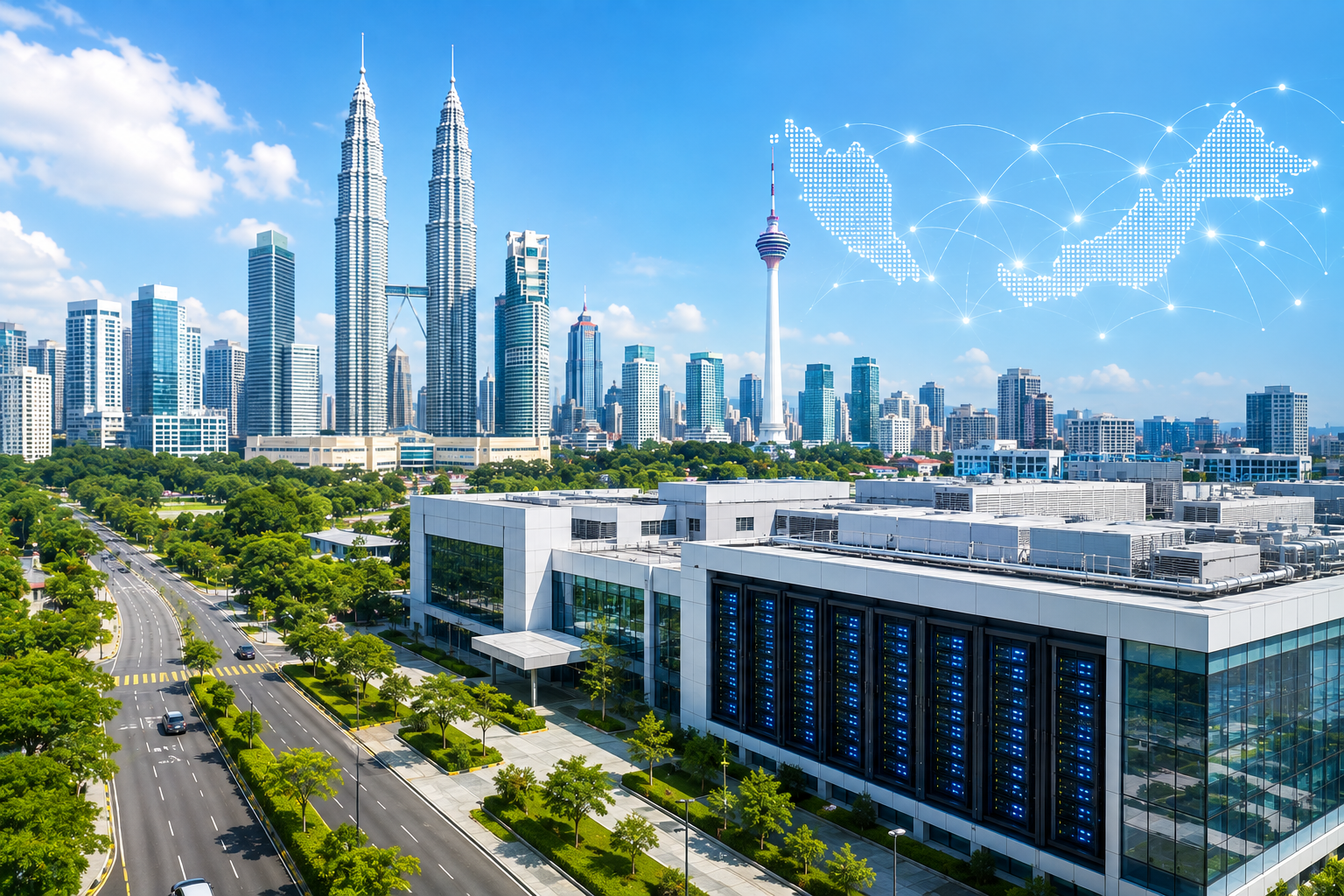
Hosting Data Centres Is Only the Beginning
Malaysia’s data centre industry has expanded rapidly.
Johor, Cyberjaya, Kedah and Kuala Lumpur have all attracted significant digital infrastructure investment as global technology companies expand their cloud and AI capacity across Southeast Asia.
But Malaysia’s next goal is more ambitious.
Science, Technology and Innovation Minister Datuk Chang Lih Kang said the country must move from “Made in Malaysia” towards “Made by Malaysia.”
The difference is important.
Instead of Malaysia mainly being a location where international companies manufacture products or build infrastructure, the government wants more Malaysian companies to develop technology, own intellectual property and commercialise their own innovations.
Malaysia Wants to Own More of the Technology
At the CloudTech & DataCentre Conference 2026 in Kuala Lumpur, MOSTI outlined four areas supporting this direction.
They include:
- Research, development and intellectual property
- AI governance and capabilities
- Green infrastructure and ESG
- Regional science and technology collaboration across ASEAN
The message is essentially that attracting data centres alone is not enough.
Malaysia also needs businesses, researchers and technology companies capable of creating products and services around the infrastructure being built here.
From Data Centres to a Technology Ecosystem
A data centre creates demand for far more than servers.
It needs networking, cybersecurity, power systems, cooling, cloud services, managed infrastructure, software, monitoring and specialised technical skills.
That creates opportunities for Malaysian technology companies — but only if they develop expertise instead of competing purely on cost.
At the conference, ST Telemedia Global Data Centres Malaysia country head Darryll Sinnappa encouraged Malaysian SMEs to specialise in particular areas of the data centre ecosystem, rather than attempting to provide everything themselves.
This could include areas such as computing services, power infrastructure, cooling, physical and cybersecurity, and IT systems.
AI Makes the Opportunity Even Bigger
The timing is important because data centres are increasingly becoming AI infrastructure.
Malaysia is already the world’s sixth-largest semiconductor exporter and is developing greater capabilities in higher-value semiconductor manufacturing, while also becoming an increasingly important destination for digital infrastructure.
That creates an opportunity to connect several industries together:
Semiconductors feed AI servers.
AI servers fill data centres.
Data centres create demand for cloud, connectivity, cybersecurity and managed services.
And businesses eventually build applications and services on top of that infrastructure.
If more of those layers are developed by Malaysian companies, the economic value stays deeper within the local technology ecosystem.
Malaysia Is Putting More Money Into R&D
There is also a major research component to the strategy.
Malaysia spent RM18.16 billion on research and development in 2022, according to figures presented at the conference.
Under the 13th Malaysia Plan, the country aims to increase R&D spending to 2.5% of GDP by 2030. Based on the economic assumptions discussed at the conference, that could translate to roughly RM63 billion.
But investment alone will not guarantee results.
The bigger challenge will be turning research into products, intellectual property and companies capable of competing internationally.
Closing Thoughts
Malaysia has already succeeded in attracting major cloud, semiconductor and data centre investments.
The next stage is harder.
Instead of simply providing the land, electricity, connectivity and facilities where global technology operates, Malaysia wants more of the technology inside those facilities to eventually come from Malaysian companies too.
That is the real meaning behind moving from “Made in Malaysia” to “Made by Malaysia.”
If Malaysia can make that transition successfully, today’s data centre boom could become the foundation for something much bigger than infrastructure alone.