
Malaysia Is Targeting Higher-Value Technology Investment
Malaysia has been attracting large amounts of investment into manufacturing and digital infrastructure.
The latest push is increasingly focused on higher-value technology.
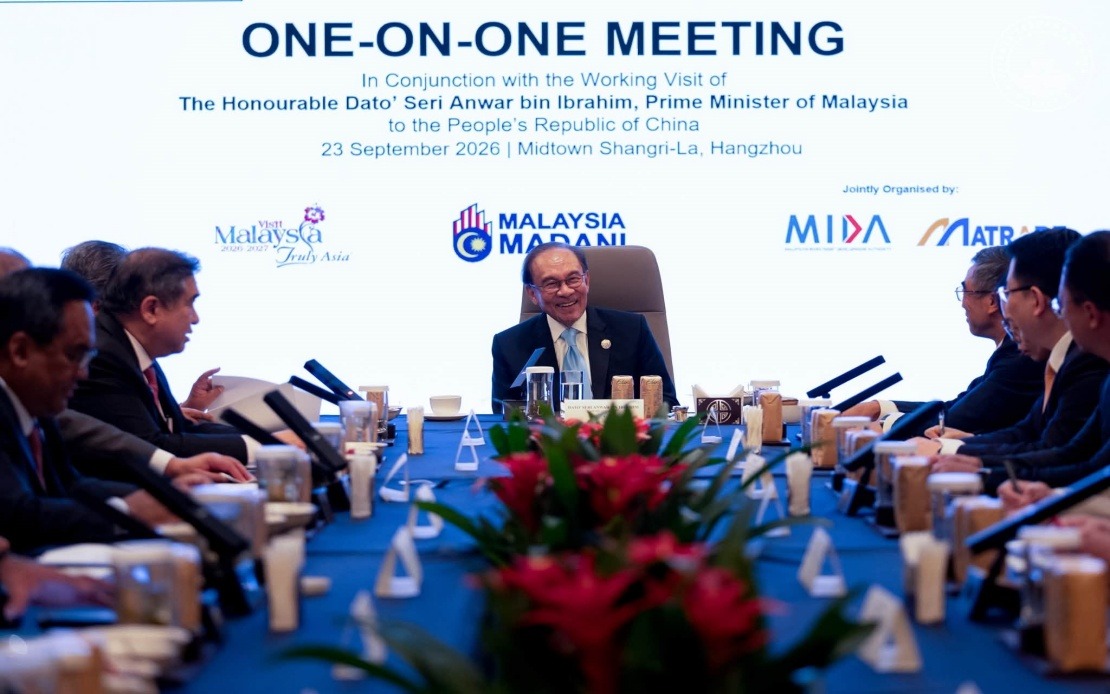
Following business engagements in Shanghai and Hangzhou, Malaysia reported potential investments exceeding RM28 billion across several strategic industries.
The sectors include:
- Semiconductor manufacturing
- Artificial intelligence
- Robotics
- Electric vehicles
- Biotechnology
- Advanced medical devices
These industries are closely connected to Malaysia’s ambition to move further up the technology value chain.
Why Semiconductors and AI Matter
Malaysia already has a strong electrical and electronics industry.
The country plays an important role in semiconductor assembly, testing, packaging and equipment manufacturing.
But the bigger opportunity is to attract more work involving:
- Chip design
- Advanced packaging
- AI hardware
- Automation
- R&D
- High-value manufacturing
Investment in these areas can potentially create more engineering jobs and strengthen local technology suppliers.
Malaysia Also Wants Technology Transfer
The investment discussions were not only about capital.
Malaysia also highlighted cooperation in new technology and AI technology transfer.
Technology transfer can be important because foreign investment creates more long-term value when Malaysian companies and workers gain new capabilities.
For example, a new semiconductor factory creates jobs.
But if local engineers also gain experience in advanced manufacturing, automation and chip technology, the impact can last much longer.
Local SMEs Need to Benefit Too
Another important issue is local participation.
The government said concerns were raised about foreign companies becoming too dominant and potentially affecting Malaysian SMEs.
This is an important point.
Large foreign investments do not automatically benefit smaller Malaysian companies.
The real impact depends on whether local businesses can become:
- Suppliers
- Technology partners
- Contractors
- Service providers
- Software providers
- Engineering partners
A stronger local supply chain means more of the investment stays within the Malaysian economy.
Why This Matters to Malaysia’s Technology Industry
If these projects move forward, demand could increase across many supporting industries.
That includes:
- Cloud infrastructure
- Cybersecurity
- Networking
- Managed IT
- Automation
- Engineering
- Semiconductor equipment
- Data management
- Software development
Technology investment rarely operates alone.
A semiconductor or AI company needs an entire ecosystem around it.
That creates opportunities beyond the company making the initial investment.
But “Potential Investment” Is Important
The RM28 billion headline is significant, but it should be understood correctly.
These are potential investments arising from business discussions and commitments.
They are not necessarily completed investments yet.
Projects may still depend on:
- Commercial agreements
- Approvals
- Site selection
- Financing
- Construction
- Regulatory requirements
The more meaningful measure will be how much of the RM28 billion eventually turns into operating projects, jobs and local supply-chain activity.
Closing Thoughts
Malaysia continues to attract attention from global technology companies because of its semiconductor base, workforce, infrastructure and access to the wider ASEAN market.
The RM28 billion figure shows strong interest.
But the bigger opportunity is not simply attracting foreign capital.
Malaysia benefits most when investment also creates local technology capabilities, skilled jobs and opportunities for Malaysian companies.
That will determine whether today’s investment announcements become long-term economic value.