
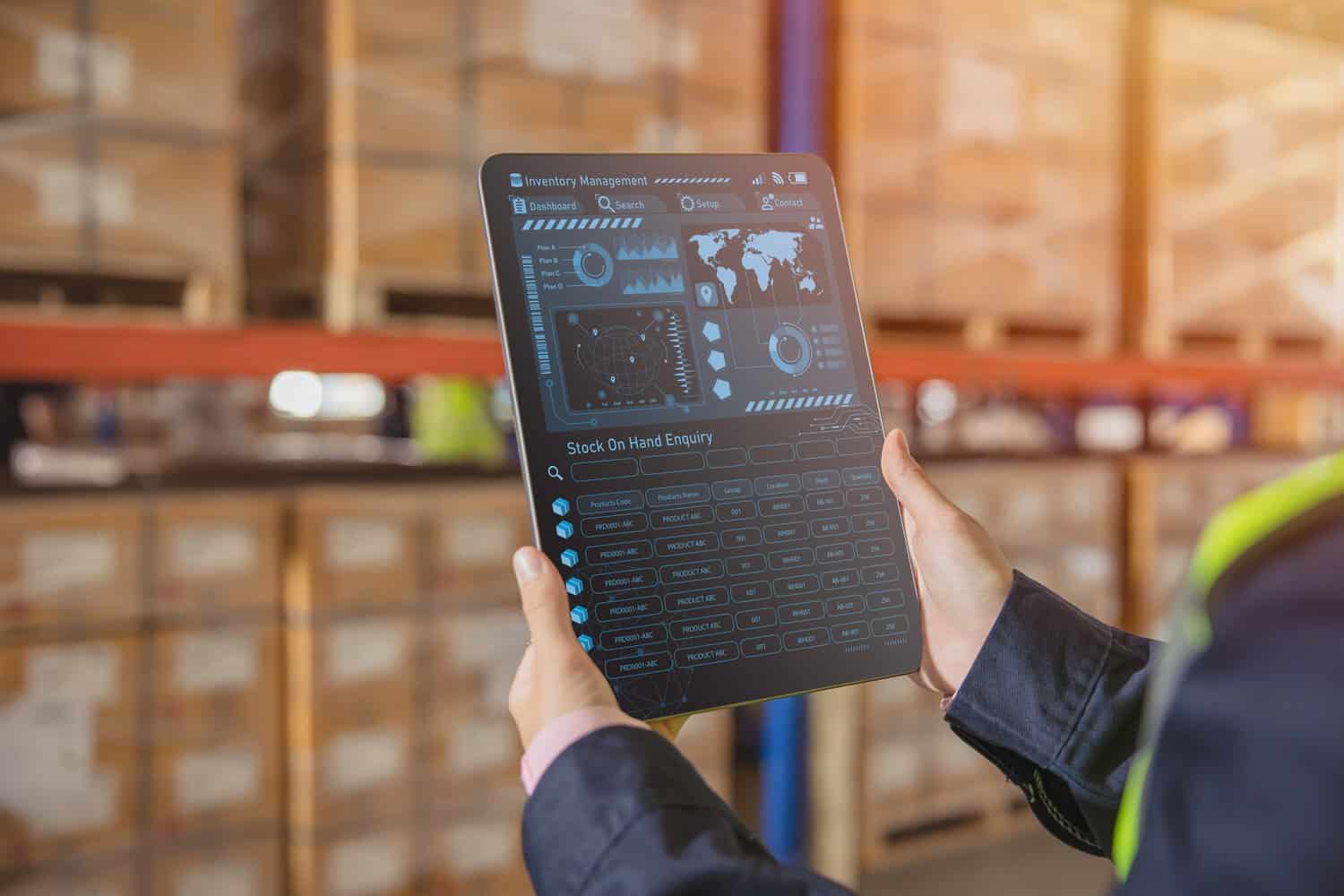
Malaysian 3PLs run on margins thinner than most other industries. An operations head who has done the job for ten years can tell you exactly where the hours go. Order emails that need re-keying. Dispatch calls to customers who want to know where their shipment is. Proof-of-delivery slips that take two days to turn into invoices.
This article walks through six workflows a Malaysian logistics company should automate first, which ones need AI versus rules, and how a 90-day rollout actually looks for a mid-size fleet.
Why Logistics Is a Good First Fit for AI Automation
Logistics operations are high-volume, repetitive, and data-heavy, which are three traits that make them a strong fit for automation. A mid-sized fleet of 50 trucks handles hundreds of status updates and dozens of exception events every day, many of which can be processed without manual dispatch intervention.
What makes it harder is the integration surface. The TMS, the WMS, the customer portal, the finance system, and the drivers’ mobile app usually come from different vendors. Any warehouse automation layer, or AI layer sitting above it, has to work on top of all of them without breaking the dispatch flow already running.
Workflow 1: Order Intake Across Email and WhatsApp
Most Malaysian 3PLs receive orders through WhatsApp, email, and a customer portal. Three channels, one dispatch team re-keying the same information three different ways.
This is a hybrid workflow. AI handles the parsing of unstructured text and image attachments from WhatsApp. Rules-based automation routes the structured output into the TMS. The gain is cutting hours of re-keying each day and reducing the error rate on consignee details, which otherwise cause failed deliveries.
Workflow 2: Route and Load Planning
Route optimisation is a classic machine learning problem. Given a set of stops, vehicle capacities, time windows, and traffic patterns, produce the lowest-cost plan.
Most Malaysian 3PLs already run a transport management system to track fleet operations. The real question is whether dispatchers actually use the route-planning module or override it based on experience. AI-driven planning closes that gap by learning from the overrides rather than ignoring them, which tightens fuel use and delivery timing over time.
Workflow 3: Dispatch Updates to Customers
Customers call to ask where their shipment is. Dispatchers answer by looking at the system. Both sides lose time. A rules-based automation sends tracking links on dispatch, geo-fenced status updates during transit, and ETA refreshes when traffic shifts.
AI earns its place here when customer queries come in as free text and need classification. “Where is my shipment” is one bucket. “Can I change the delivery address” is another, and one that needs human nitervention. Knowing the difference helps you build a fail-proof system.
Workflow 4: Proof of Delivery Into Billing
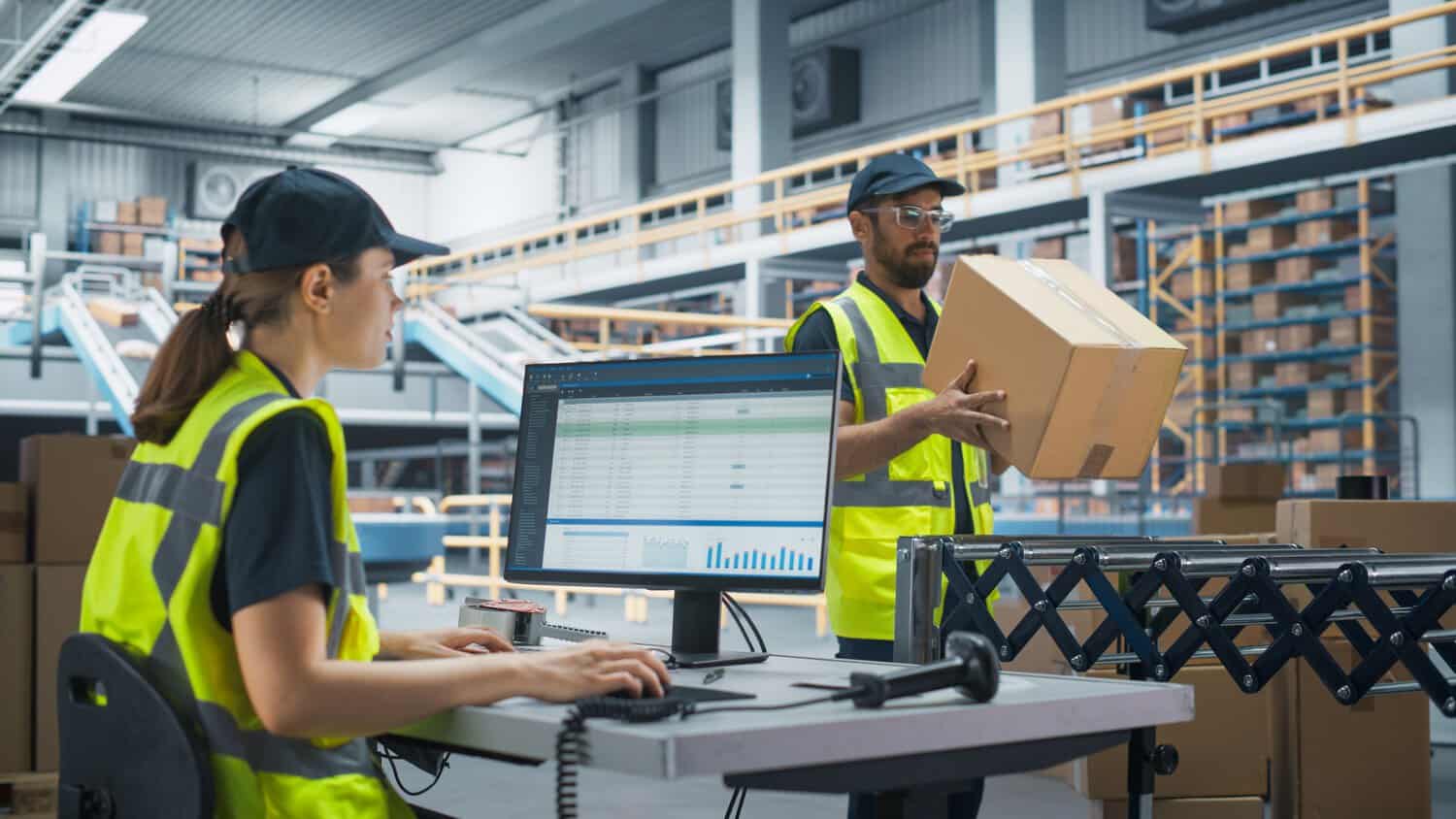
A paper POD slip signed on delivery can take two days to reach the finance team and become an invoice. A photo of the slip captured in the driver app can become an invoice line the same hour.
AI handles the OCR on handwritten signatures, timestamps, and any delivery exceptions noted on the slip. Rules-based automation pushes the structured output into the billing system. The gain is cash flow: faster invoicing shortens the cash cycle, which matters more to a 3PL than almost any other operational improvement.
Phase 4 of LHDN’s e-invoicing mandate began 1 January 2026 for businesses with annual turnover between RM1 million and RM5 million. The relaxation period runs to 31 December 2027. Logistics companies in this band need their invoicing to flow into MyInvois with validated submissions, which makes automated POD-to-invoice integration a compliance priority as well as a cash-flow one.
Workflows 5 and 6: Customs Documents and Exception Alerts
Customs and shipping documents. Freight forwarders handle commercial invoices, packing lists, bills of lading, and customs declarations for every international shipment. AI drafts the documents from the order and shipment data, flags inconsistencies, and files what can be filed electronically. A human reviewer signs off.
Exception alerts. A delay, a failed delivery, or a damaged shipment is an exception. Rules-based automation surfaces them. AI prioritises them against customer SLA, cost of resolution, and historical risk of churn. Dispatchers spend their time on the exceptions that matter.
The 90-Day Rollout for a Mid-Size Fleet
A workable 90-day rollout for a mid-sized Malaysian 3PL starts narrow, not broad. Weeks 1-4 cover data audit and integration: what the TMS can export, what the WMS can import, where PDPA access controls need to sit. Weeks 5-8 deploy the first workflow (usually order intake, highest-volume) in parallel with existing manual process, measured side by side.
Weeks 9-12 add the second workflow (usually dispatch updates), by which point the operations team has confidence in the pattern and leadership has data on the return. The remaining four workflows roll in over the next six months, each one informed by what the first two taught the team.
Deploying AI automation across a live fleet calls for integration that does not disrupt operations or jeopardise uptime. For a worked example of staging multi-phase digital upgrades on top of existing systems, see our cloud transformation roadmap for Malaysian F&B brands, which uses the same phased pattern that applies to 3PLs.
If your dispatchers are drowning in manual order entries, if paper proof-of-delivery is delaying LHDN e-invoicing compliance, or if a billing-system rebuild is already underway and automation should ride alongside, Net Onboard’s AmplifyChampion team can help.
Speak to the Net Onboard team so we can scope the workflows against the TMS and WMS already in place, build the integrations without breaking dispatch, and run the uptime that makes AI in logistics safe to depend on.
Book a consultation for our business automation and AI solutions in Malaysia to sequence the six workflows against your actual operations.