
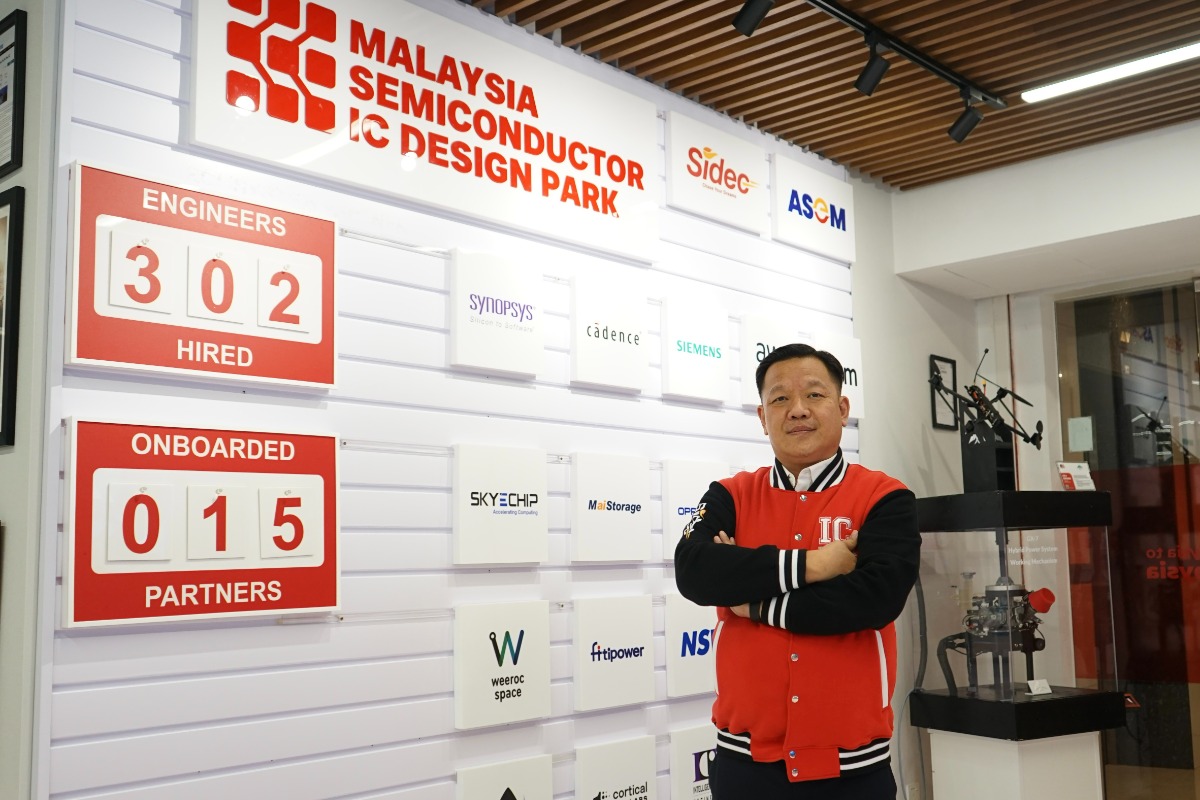
AI Is Becoming an Economic Growth Engine
Artificial intelligence is usually discussed as a technology story.
For Malaysia, it is increasingly becoming an economic story too.
Moody’s Analytics says economies deeply connected to the AI supply chain are performing better than much of the Asia-Pacific region.
Malaysia is one of them.
Demand for semiconductors, servers and other technology products is supporting exports even as higher energy costs, geopolitical uncertainty and slower traditional industries affect other parts of the regional economy.
Why Malaysia Benefits
Malaysia already has a large electrical and electronics industry and plays an important role in the global semiconductor supply chain.
The AI boom increases demand for products and services connected to:
- Semiconductors
- Advanced packaging
- Servers
- Electronic components
- Cloud infrastructure
- Data centres
Malaysia does not need to manufacture the world’s most advanced AI GPU to benefit.
There are opportunities throughout the wider supply chain.
ADB Is Seeing the Same Trend
The Asian Development Bank also upgraded Malaysia’s economic outlook this week.
ADB raised its 2026 GDP growth forecast from 4.6% to 4.9%, saying the semiconductor upcycle is supporting exports while data-centre investments are strengthening construction and domestic activity.
That reinforces the same message:
Malaysia’s technology sector is becoming increasingly important to overall economic growth.
But There Are Still Risks
The outlook is not completely positive.
Moody’s expects overall Asia-Pacific growth to slow, while higher prices and tighter monetary policy could weaken household spending and traditional business investment.
Malaysia also remains exposed to:
- Higher global energy costs
- US trade policy
- Semiconductor demand cycles
- Geopolitical tensions
- Global interest rates
So the current AI boom is providing support, but it does not remove the wider economic risks.
Why This Matters to Malaysian Businesses
A stronger technology sector can create opportunities beyond semiconductor manufacturers.
Growth in AI infrastructure can increase demand for:
- Cloud services
- Cybersecurity
- Managed IT
- Networking
- Backup and disaster recovery
- Automation
- Software development
- Skilled technology workers
The bigger opportunity is ensuring Malaysian companies participate in more of this value chain instead of only providing manufacturing capacity.
Closing Thoughts
Malaysia’s position in the AI economy is becoming more meaningful.
What started as strong semiconductor and data-centre investment is now beginning to show up in wider economic growth.
The next challenge is making sure Malaysia moves beyond simply hosting or manufacturing global technology.
The bigger long-term opportunity is developing more Malaysian technology, talent and companies that can benefit from the AI economy directly.